CPSC
OCOOPA Rechargeable Hand Warmers recall
- Firm
- OCOOPA Direct
- Date issued
- July 30, 2026
- Agency record last updated
- July 31, 2026
- Units
- About 1.5 million (as published in the notice)
- Remedy type listed by CPSC
- Refund
Identifiers in the CPSC notice
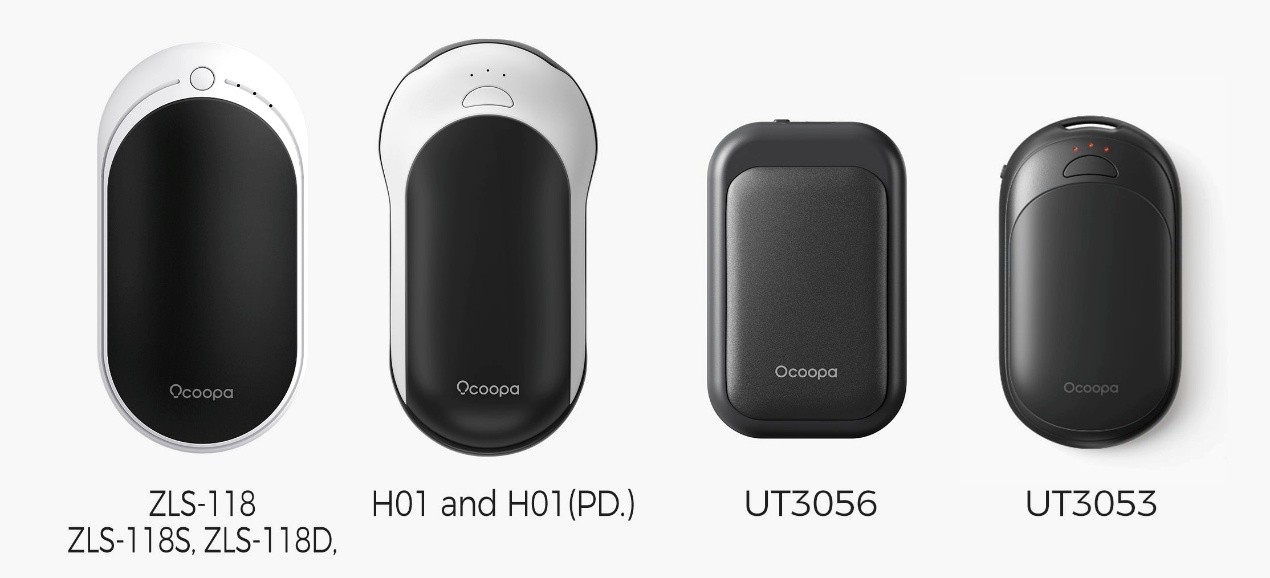
| OCOOPA Rechargeable Hand Warmers | Model number | H01 | printed on the hand warmers' underside | 26659 |
| OCOOPA Rechargeable Hand Warmers | Model number | UT3053 | printed on the hand warmers' underside | 26659 |
| OCOOPA Rechargeable Hand Warmers | Model number | UT3056 | printed on the hand warmers' underside | 26659 |
| OCOOPA Rechargeable Hand Warmers | Model number | ZLS-118 | printed on the hand warmers' underside | 26659 |
| OCOOPA Rechargeable Hand Warmers | Model number | ZLS-118D | printed on the hand warmers' underside | 26659 |
| OCOOPA Rechargeable Hand Warmers | Model number | ZLS-118S | printed on the hand warmers' underside | 26659 |
What CPSC says is recalled
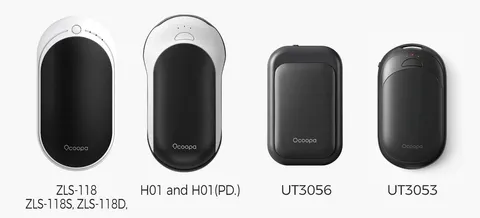
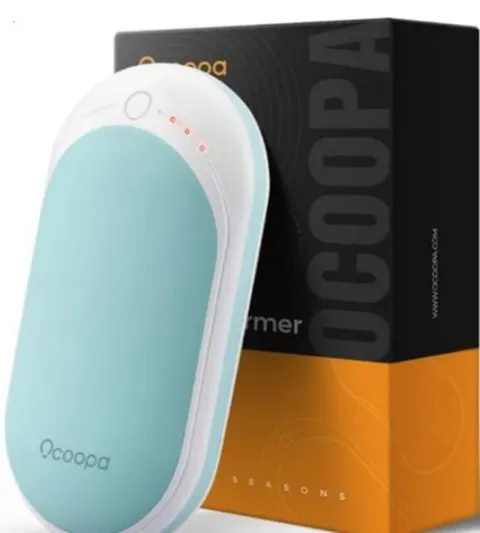
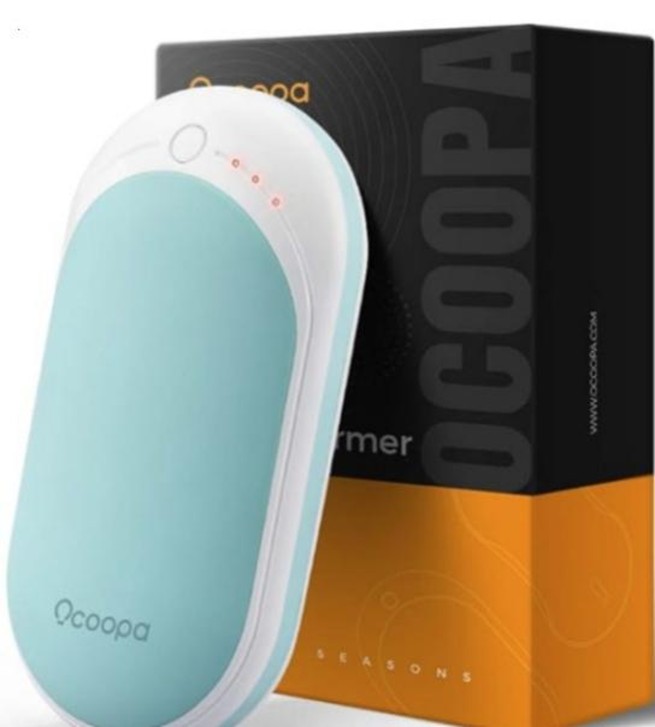
This recall involves OCOOPA-branded rechargeable lithium-ion battery hand warmers, models UT3053, UT3056, ZLS-118, ZLS-118S, ZLS-118D, H01 and H01(PD.) The dual-sided, rechargeable hand warmers were sold in varying colors and designs, in packs of two warmers that can magnetically be joined and with a charging cable. The hand warmers have a USB-C port to charge the built-in lithium-ion batteries in each unit. The adjustable-heat hand warmers have LED indicator lights on the hard plastic shell and a silicone lanyard. "OCOOPA" is printed on the top of the hand warmers and on the product packaging. The model number and three-digit batch number are printed on the hand warmers' underside.
Photos and labels from the CPSC notice
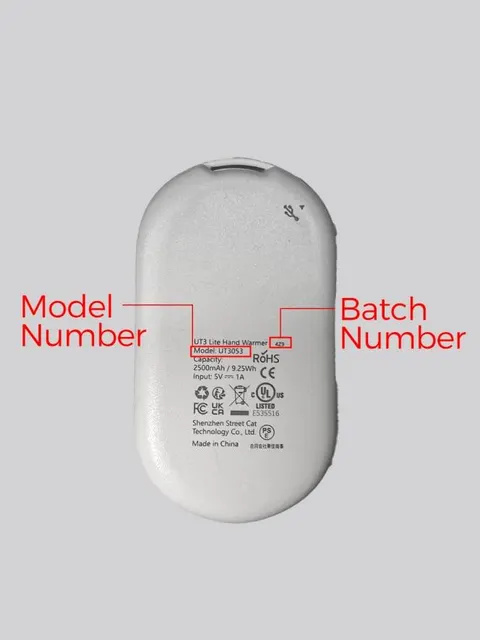
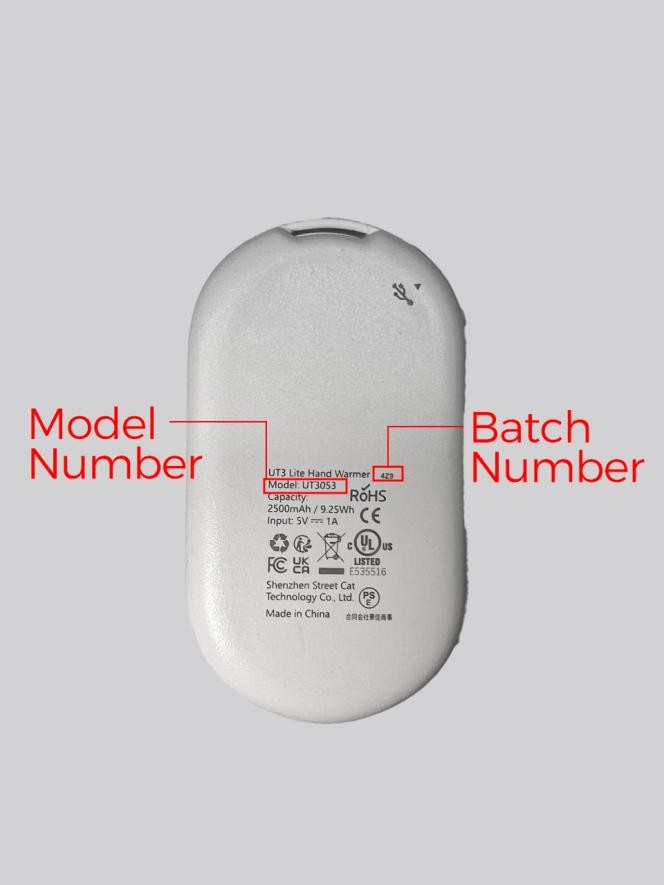
Scope, as published by CPSC
- Retailers
Online at Amazon.com, Ocoopa.com, Ocoopa.net and Walmart.com from September 2018 through May 2026 for between $15 and $60.
- Manufactured in
- China
What CPSC says about the hazard
The lithium-ion battery in the recalled hand warmers can overheat and ignite, posing a risk of serious injury or death from fire and burn hazards.
What CPSC says about incidents and injuries
OCOOPA Direct has received 1,480 reports of hand warmers overheating, resulting in 15 fires and 350 burn injuries, including the death of an 83-year-old consumer in San Diego, California in February 2026.
What CPSC says to do
Consumers should stop using the recalled hand warmers immediately and contact OCOOPA Direct for a full refund in the form of an OCOOPA gift card or the original form of payment. Consumers will be asked to write in permanent marker "RECALLED" on the hand warmer and submit a photo showing that marking on the hand warmer, the model number and the product's three-digit batch number to https://www.ocoopa.com/pages/product-recalls. Consumers should dispose of recalled products with the lithium-ion battery in accordance with applicable local and state hazardous waste regulations. Note: Do not throw this defective lithium-ion battery or device in the trash, the general recycling stream (e.g., street-level or curbside recycling bins), or in used battery recycling boxes found at various retail and home improvement stores. Defective lithium-ion batteries must be disposed of differently than other batteries, because they present a greater risk of fire. Your municipal household hazardous waste (HHW) collection center may accept this defective lithium-ion battery or device for disposal. Before taking your battery or device to a HHW collection center, contact it ahead of time and ask whether it accepts defective lithium-ion batteries. If it does not, contact your municipality for further guidance.
Firm contact, as published by CPSC
OCOOPA Direct by email at ocooparecalls@ocoopa.cc or online at https://www.ocoopa.com/pages/product-recalls or www.ocoopa.com and click on "Product Recall" at the top of the page for more information.
Timeline
Recalls announced in July 2026 · Recalls announced the same week
Sources
- U.S. Consumer Product Safety Commission, recall 26659, published July 30, 2026.
Data pulled from the agency on October 22, 2026. Text written by the agency is a US government work and in the public domain (17 U.S.C. § 105); that statement does not extend to photos. How pages are built:sources, methodology.
Reviewed by Label Ledger Desk, October 22, 2026.
Change log
- : Page created
Reporting
- CPSC reporting site: SaferProducts.gov
- Errors on this page: corrections